

The-Smart-Choice-for-Families-Discover-the-2026-Toyota-Highlander

A Family SUV That Keeps Earning Its Spot in the Driveway

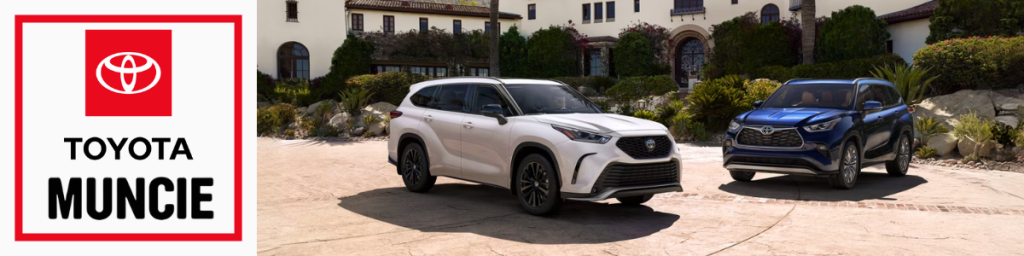
Shopping for a three-row SUV that hauls kids, gear, and the occasional small trailer puts a lot of options on the table. Toyota’s midsize hauler has spent years near the top of family shopping lists, and the newest version keeps that streak going with seven trims, two powertrains, and standard all-wheel drive across the whole board.

  • All seven trims for 2026 come standard with all-wheel drive, a first for the gas lineup.
  • Gas models pair a 265-horsepower turbo four with a 5,000-pound tow rating, while hybrids stretch fuel to 35 mpg combined.
  • Seating runs seven passengers standard, with an eight-seat bench available on a few trims.

A Quick Look at the 2026 Lineup

Buyers will find the 2026 Toyota Highlander splits into two camps. Gas grades run XLE, XSE, Limited, and Platinum. Hybrid grades skip the XSE and come in XLE, Limited, and Platinum trim levels. Both share the same body, the same three rows, and the same long list of standard safety tech. What changes are under the hood and at the fuel pump?

Gas or Hybrid, Picking Your Power

Every gas trim runs a 2.4-liter turbo four. It makes 265 horsepower and 310 lb-ft of torque, paired with an 8-speed automatic. That setup tows up to 5,000 pounds when properly equipped. A small camper or a pair of jet skis stays well within reach. EPA estimates land at 21 mpg city and 28 mpg highway for all four gas grades.

Hybrid models take a different path. A 2.5-liter four-cylinder with electric motors delivers 243 combined horsepower and an eCVT, and it returns 35 mpg combined. Towing drops to 3,500 pounds, so the trade is plain. Go with gas if you tow heavy. Go hybrid if you rack up miles and want to visit the pump less often.

Climbing the Trim Ladder

The XLE opens the lineup and replaces the old LE as the new starting point. It already carries plenty. You get 18-inch alloy wheels, a power moonroof, and heated SofTex front seats. There are also three-zone temperature controls, an 8-inch touchscreen, and wireless Apple CarPlay and Android Auto.

Move up to the XSE for a sportier attitude, with 20-inch black wheels, a mesh grille, and a sport-tuned suspension. Step up to Limited, and you get leather seating, heated and ventilated front seats, a 12.3-inch touchscreen, and JBL audio. Platinum sits at the top with a panoramic glass roof, a head-up display, a 360-degree camera, and a digital rearview mirror.

2026 Toyota Highlander Trim Comparison

Trim Starting MSRP Powertrain Horsepower EPA Combined MPG Max Towing Standard Features
XLE (Gas) $45,870 2.4L Turbo Gas, AWD 265 hp 24 mpg 5,000 lb 18-in wheels, power moonroof, 8-in screen, heated SofTex seats
XSE (Gas) $47,940 2.4L Turbo Gas, Dynamic Torque Vectoring AWD 265 hp 24 mpg 5,000 lb 20-in black wheels, sport suspension, mesh grille
Limited (Gas) $50,325 2.4L Turbo Gas, Dynamic Torque Vectoring AWD 265 hp 24 mpg 5,000 lb Leather, heated and ventilated seats, 12.3-in screen, JBL audio
Platinum (Gas) $53,525 2.4L Turbo Gas, Dynamic Torque Vectoring AWD 265 hp 24 mpg 5,000 lb Panoramic roof, head-up display, 360-degree camera
Hybrid XLE $47,620 2.5L Hybrid, Electronic On-Demand AWD 243 hp 35 mpg 3,500 lb Hybrid power, 35 mpg, eight-seat bench option
Hybrid Limited $52,075 2.5L Hybrid, Electronic On-Demand AWD 243 hp 35 mpg 3,500 lb Leather, 12.3-in screen, JBL audio, hands-free liftgate
Hybrid Platinum $55,275 2.5L Hybrid, Electronic On-Demand AWD 243 hp 35 mpg 3,500 lb Panoramic roof, heated second-row chairs, digital rearview mirror

Room for Seven, Sometimes Eight

All seven trims seat seven as standard with second-row captain’s chairs. Want a bench instead? The gas XLE, hybrid XLE, and gas Limited offer an eight-seat setup without significantly altering the cabin layout. Fold everything flat, and you get up to 84.3 cubic feet of cargo room, which swallows strollers, hockey bags, and a Costco run without much fuss.

The-Smart-Choice-for-Families-Discover-the-2026-Toyota-Highlander-Interior

Safety You Don’t Have to Pay Extra For

Toyota Safety Sense 2.5+ comes on every grade. That bundle adds automatic emergency braking with pedestrian detection, adaptive cruise control, and lane departure alert with steering assist. You also get lane tracing, road sign reading, and automatic high beams. Blind Spot Monitor with Rear Cross-Traffic Alert is standard, too. So are eight airbags and side curtain coverage for all three rows. For a family hauler, that standard sheet is hard to argue with.

Matching a Trim to Your Family

Most shoppers land happily on the XLE or the Limited. An XLE covers the basics for school runs and weekend trips, while the Limited adds the leather and tech that make longer hauls easier. Do you tow a lot? Stick with gas. Long daily commute? The hybrid pays you back at the pump. Either way, the lineup gives families room to match the truck to the budget.

Find Your 2026 Highlander at Toyota of Muncie

Sorting through seven trims gets a lot easier with the keys in your hand. At Toyota of Muncie, we keep the Highlander lineup on the lot so you can sit in the XLE, the Limited, and the Platinum back to back and feel the difference for yourself. Our team walks families through gas versus hybrid with no pressure, and we can line up financing or a trade-in figure while you weigh your options. We’ve served Muncie, Richmond, Anderson, and the towns around us for years, and we treat every visit like you’re a neighbor, because most of the time you are. Stop by when you’re ready to find the Highlander that fits your crew.

The Land Cruiser Returns Smaller, Smarter, and Hybrid-Powered

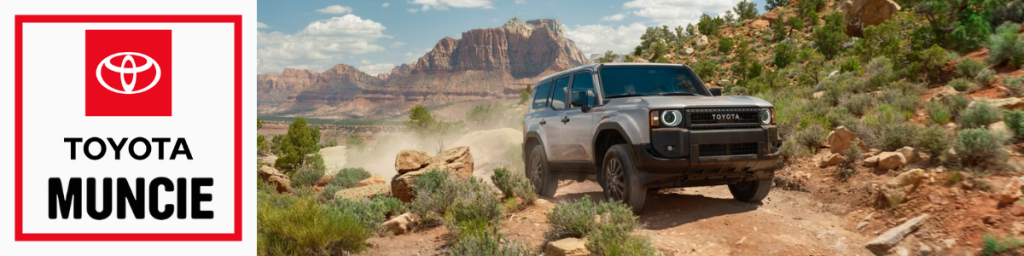
Toyota’s most legendary off-roader is back at a price point that actually makes sense for folks who want a real body-on-frame SUV with hybrid muscle. Two trim choices, one boxy silhouette, and enough engineering under the skin to climb a forest road in the morning and haul kids to soccer practice that afternoon. Indiana drivers finally have an option that handles both jobs.

  • Land Cruiser 1958 starts at $57,200 MSRP, while the Land Cruiser trim comes in at $63,275.
  • Both trims share the same 326-horsepower i-FORCE MAX hybrid powertrain with full-time four-wheel drive.
  • Toyota built the 250 Series on the TNGA-F platform with 8.7 inches of ground clearance and 6,000 pounds of towing capacity.

Two Trims, One Hybrid Heart

Toyota kept the powertrain story simple. Both the 1958 and the Land Cruiser grade run the i-FORCE MAX turbocharged 2.4-liter four-cylinder hybrid, paired with an eight-speed automatic transmission. That combo cranks out 326 net horsepower and 465 lb-ft of torque, with full-time four-wheel drive standard. EPA estimates land at 22 mpg city, 25 mpg highway, and 23 mpg combined. For a body-on-frame SUV with a locking rear differential and a 6,000-pound tow rating, those numbers stack up well against anything else in the segment.

The 1958 vs. the Land Cruiser Grade

Out of the box, the 1958 sticks to the basics. Cloth seats, an 8-inch touchscreen, six speakers, manual seat adjustments, and round LED headlights borrowed from the original FJ25. It looks the part on the trail and saves around $6,000 over the higher trim. Step up to the Land Cruiser grade, and you get SofTex synthetic leather, heated and ventilated power front seats, a 12.3-inch touchscreen, a matching 12.3-inch digital gauge cluster, ten speakers, wireless charging, a power liftgate, and rectangular LED headlights inspired by the FJ62.

Feature Land Cruiser 1958 Land Cruiser
Starting MSRP $57,200 $63,275
Engine 2.4L i-FORCE MAX Hybrid 2.4L i-FORCE MAX Hybrid
Horsepower / Torque 326 hp / 465 lb-ft 326 hp / 465 lb-ft
EPA MPG (City/Hwy/Combined) 22 / 25 / 23 22 / 25 / 23
Towing Capacity 6,000 lbs 6,000 lbs
Headlights Round LED Rectangular LED
Seating Material Fabric SofTex Heated & Ventilated
Touchscreen 8-inch 12.3-inch
Audio System 6 speakers 10 speakers (14-speaker JBL available)
Power Liftgate Not Available Standard
Multi-Terrain Select & Monitor Not Available Standard
Stabilizer Disconnect Mechanism Not Available Available Option

Built for Indiana Backroads and Indiana Traffic

You don’t have to live near Moab to appreciate what this SUV can do. A TNGA-F frame and full-time four-wheel-drive system handle gravel, mud, and snow without drama. Standard CRAWL Control acts like off-road cruise control at low speeds, automatically modulating throttle and brakes so you can focus on steering through tricky spots. Locking center and rear differentials come standard on both trims, which is rare at this price.

Multi-Terrain Select adds presets for mud, dirt, and sand on the higher trim. Around town, the hybrid system pulls smoothly from a stop, the steering feels lighter than you’d expect from a body-on-frame SUV, and the 8-speed automatic shifts cleanly through the gears. Ground clearance sits at 8.7 inches, with a 32-degree approach angle that swallows most off-camber pavement transitions without a scrape.

2026-Toyota-Land-Cruiser-Built-for-Trails-Ready-for-Daily-Driving-Interior

Tech That Earns Its Keep

Both trims include Toyota Safety Sense 3.0, which covers pre-collision warning, lane departure alert, full-speed radar cruise control, automatic high beams, and lane tracing assist. Wireless Apple CarPlay and Android Auto come standard. A 2400-watt AC inverter in the cargo area can run a small fridge, power tools, or charging banks for a weekend at the campsite. Six USB-C ports keep phones topped off across both rows.

Higher-trim buyers can also tack on a Premium Package, which bundles a 14-speaker JBL audio system, head-up display, digital rearview mirror, illuminated entry, and a power moonroof. An available Stabilizer Disconnect Mechanism is the move for anyone who plans to take their SUV onto serious trails. Cargo space behind the second row measures 46.2 cubic feet, expanding to 82.1 cubic feet with the rear seats folded flat.

Picking the Trim That Fits Your Wallet

Buyers who want the hybrid powertrain and the off-road hardware without the extra cabin upgrades can stick with the 1958. It saves cash and still looks the part on any trailhead. Anyone who wants the bigger screens, SofTex seats, Multi-Terrain Select, and access to the Premium Package perks gets plenty for the extra $6,000 by stepping up. Either way, the 2026 Toyota Land Cruiser hits a sweet spot Toyota hasn’t offered in years, a serious off-roader that still works as a daily driver.

Test Drive a Land Cruiser at Toyota of Muncie

We’ve been getting questions about the new Land Cruiser since the first units rolled onto our lot. If you’re in Muncie, Anderson, New Castle, or anywhere around east central Indiana, swing by and see one in person. Our team can walk you through both trims, set up a test drive on a mix of highway and backroad pavement, and answer questions about hybrid maintenance, towing setups, or financing options. We have factory-trained Toyota technicians on staff to keep your Land Cruiser running for the long haul, and the team here knows these vehicles inside and out. Come find out why this SUV is generating so much buzz around here.

Should You Trade In Your Car or Sell It Outright? A Smarter Way to Decide

You’ve decided it’s time to move on from your current ride. Maybe the miles are adding up, maybe you’ve got your eye on something newer, or maybe you just need a change. But before you do anything, there’s one decision that can save you hundreds or even thousands of dollars.

  • Trading in your car and selling it to a dealer are two different transactions with different financial outcomes.
  • Indiana drivers who trade in get a 7% sales tax credit on their next vehicle purchase, which can add up fast.
  • Your best option depends on your timeline, how much effort you want to put in, and whether you’re buying another car right away.

Trade-In vs Selling to Dealer: What’s the Difference?

When people talk about getting rid of a car at a dealership, they tend to lump everything together. But the trade-in vs selling to dealer question actually involves two separate processes, and knowing the difference matters more than you’d think.

A trade-in happens when you bring your current vehicle to a dealership and apply its value toward the purchase of another car. The dealer appraises your car, gives you a number, and that amount gets subtracted from the price of your next vehicle. It’s one transaction, one set of paperwork, and you can usually drive off the lot the same day in something new.

Selling your car to a dealer, on the other hand, means you’re simply handing over your vehicle for cash. You’re not buying anything from them. You walk in with a car, walk out with a check. It’s clean and simple, but it doesn’t come with the same perks.

Where the Money Shakes Out

If your only goal is to squeeze every last dollar out of your car, selling privately will almost always beat what a dealer offers. That’s just the reality. Dealers need room to recondition and resell your vehicle at a profit, so their offer will reflect that margin.

But here’s where it gets interesting for Indiana drivers specifically. When you trade in a vehicle, Indiana’s 7% sales tax only applies to the difference between your new car’s price and your trade-in value. So if you’re buying a $35,000 Toyota and trading in a car worth $10,000, you only pay sales tax on $25,000. That’s $700 back in your pocket right there, and that number climbs as your trade-in value goes up.

Sell that same car to a dealer or a private buyer? You’ll owe sales tax on the full $35,000 when you go to buy your next vehicle. Those tax savings alone can close the gap between a trade-in offer and what you’d get selling on your own.

The Time and Hassle Factor

Selling a car privately sounds great until you’re three weeks deep, fielding lowball offers from strangers, and rearranging your Saturday for the fourth test drive that week. You’ve got to clean the car, photograph it, write a listing, respond to messages, deal with no-shows, and then handle the title transfer and payment yourself.

Trading in or selling to a dealer skips all of that. The appraisal usually takes less than 30 minutes, the dealer handles all the paperwork, and you don’t have to worry about inviting strangers to your driveway.

Factor Trade-In Selling to Dealer
Payout Applied as credit toward next vehicle Cash or check in hand
Tax Savings (Indiana) Yes, 7% credit on trade value No tax benefit
Speed Same-day, one transaction Quick, but separate from buying
Paperwork Dealer handles everything Dealer handles everything
Best For Buyers ready for their next car Sellers not buying right away
Offer Amount Often slightly higher than outright sale May be slightly lower without purchase
Loan Payoff Rolled into new financing easily Must settle balance separately

What About Selling Privately?

Private sales can net you more money on paper, but the hidden costs add up quickly. Listing fees, detailing costs, vehicle history reports, and your own time all eat into that higher number. And while your car sits unsold, it’s still depreciating, and you’re still paying insurance on it.

There’s also the safety angle. Meeting strangers for test drives and trusting that payment methods are legitimate carries real risk. For a lot of people, the extra few hundred dollars just isn’t worth the headache.

Tips to Get the Most from Either Option

No matter which route you pick, a little prep goes a long way. Give your car a thorough cleaning inside and out before any appraisal. Gather your maintenance records, because a well-documented service history can bump up your offer. Fix small cosmetic issues if the cost is reasonable, things like chipped windshields or worn wiper blades that make a bad first impression.

Get appraisals from more than one place. Online tools like Kelley Blue Book and NADA can give you a ballpark, but an in-person appraisal will give you the real number. And if you’re trading in, always negotiate the price of your new car first before bringing up your trade.

Find Out What Your Car Is Worth at Toyota of Muncie

Whether you’re ready to trade up to a new Toyota or just want to know what your current vehicle is worth, we make the process straightforward at Toyota of Muncie. Our Value Your Trade tool lets you get an estimate online before you even stop by, and our team will walk you through every option with zero pressure. We work with buyers across Muncie, Anderson, Richmond, and the surrounding areas. Stop by and let’s figure out your best move together.

Explore-the-2026-Toyota-bZ-Woodland-An-Electric-SUV-Built-for-Adventure

Toyota’s Rugged EV Makes a Strong Case for Weekend Warriors

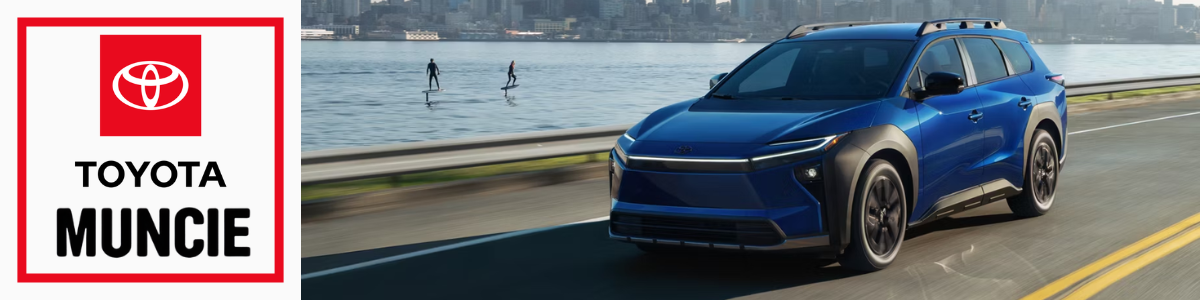
Electric vehicles have earned a reputation for smooth highway cruising, but Toyota’s latest addition proves that battery power can handle gravel roads and muddy trails too. The 2026 Toyota bZ Woodland arrives this spring as the most capable all-electric SUV in Toyota’s lineup, packing serious off-road credentials into a zero-emissions package.

  • The dual-motor AWD system produces 375 horsepower and pairs with X-MODE for improved traction on loose surfaces.
  • A 74.7 kWh battery provides an EPA-estimated 281 miles of range on all-season tires, or 260 miles with optional all-terrain rubber.
  • Two well-equipped trims start at $45,300, with the Premium adding JBL audio, a panoramic roof, and ventilated seats.

Power That Pulls Its Weight

Toyota packed electric motors into both axles, giving the bZ Woodland standard all-wheel drive and a combined 375 horsepower. That’s enough grunt to make it the most powerful bZ model yet. And with a 3,500-pound towing capacity, you can haul a small camper or a pair of dirt bikes without breaking a sweat.

When pavement ends, the X-MODE system steps in. Flip a switch, and the SUV adjusts power distribution based on surface conditions, whether you’re crossing loose gravel or climbing a wet incline. Paddle shifters on the steering wheel let you dial regenerative braking up or down, sending energy back to the battery while managing descent speed on steep grades.

Range and Charging on Your Terms

A 74.7 kWh lithium-ion battery sits beneath the floor, good for an EPA-estimated 281 miles of range with standard all-season tires. Opt for the available all-terrain rubber, and that number drops to 260 miles. Most drivers would call that a fair trade for the extra grip.

Charging happens through a North American Charging System (NACS) port, which opens access to Tesla Superchargers alongside other DC fast-charging networks. Under ideal conditions, you can go from 10% to 80% in roughly 30 minutes. A battery preconditioning feature warms the pack before you arrive at a fast charger, helping maintain charging speeds in colder weather. For home charging, Toyota includes a dual-voltage cable that works with both 120V and 240V outlets.

Designed to Leave the Pavement Behind

With 8.4 inches of ground clearance, this SUV can handle forest service roads and unimproved campsites without scraping. Rugged black overfenders widen the stance and protect the body from kicked-up debris, while standard roof rails make it easy to mount a cargo box or bike rack.

Open the liftgate, and you’ll find 74.3 cubic feet of cargo space with the rear seats folded flat. That’s noticeably more room than the standard bZ offers, thanks to nearly six extra inches of body length. SofTex-trimmed seats wipe clean easily after muddy adventures, and the floor materials resist stains from wet gear.

Comparing the Two Trim Levels

Toyota offers the bZ Woodland in two grades, both loaded with features that would cost extra on competing EVs. The chart below breaks down what you get at each level:

Feature bZ Woodland bZ Woodland Premium
Starting MSRP $45,300 TBD
14-Inch Touchscreen Standard Standard
Heated Front and Rear Seats Standard Standard
Heated Steering Wheel Standard Standard
Dual Wireless Qi Charging Standard Standard
JBL Premium Audio (9 Speakers) Not Available Standard
Panoramic Glass Roof Not Available Standard
Digital Rearview Mirror Not Available Standard
Ventilated Front Seats Not Available Standard
Driver Seat Memory Not Available Standard
Front Radiant Heaters Not Available Standard
All-Terrain Tires Available Available

Both trims share the same powertrain, battery, and 281-mile range rating. Even the base model comes well-equipped with heated seats throughout, ambient lighting, Digital Key capability, and a 14-inch touchscreen with wireless Apple CarPlay and Android Auto. Stepping up to Premium adds creature comforts like ventilated seats, a panoramic glass roof, and a JBL sound system with nine speakers and an 800-watt amplifier.

Tech That Keeps You Connected

The 14-inch Toyota Audio Multimedia touchscreen takes center stage on the dashboard, with support for dual Bluetooth connections and wireless smartphone integration. You can stream music via the built-in Wi-Fi, and the system receives over-the-air updates. A Panoramic View Monitor with Multi-Terrain Monitor helps you spot obstacles from multiple angles, which comes in handy when navigating tight trails or backing up to a hitch.

Experience the bZ Woodland at Toyota of Muncie

We’re looking forward to welcoming the 2026 Toyota bZ Woodland to our showroom in Muncie, IN, this spring. If you’ve been curious about making the switch to electric but worried about losing capability, this SUV should put those concerns to rest. Our sales team can walk you through the charging options, explain the X-MODE system, and set up a test drive so you can feel that instant torque for yourself. Stop by Toyota of Muncie to check out the full bZ Woodland lineup and figure out which trim works best for your lifestyle.

2026-Toyota-4Runner-Interior-Features-and-Cargo-Space

What’s Inside the 2026 Toyota 4Runner and How Much Can It Carry

The 2026 Toyota 4Runner is one of those SUVs that can wear a lot of hats. It’ll take you through rocky trails on Saturday and handle the school pickup line on Monday without breaking a sweat. But if you’re shopping for a family-sized ride, you’ve probably wondered about seating capacity and whether a third row is part of the deal. So, do Toyota 4Runners have 3rd row seating? The short answer is yes, but only on certain trims.

  • The 2026 4Runner offers available third-row seating on the SR5 and Limited trims, bringing total passenger capacity to seven.
  • Two-row models provide up to 90.2 cubic feet of cargo space with the rear seats folded flat, while three-row versions max out at 84.8 cubic feet.
  • Tech upgrades include an available 14-inch touchscreen, wireless Apple CarPlay and Android Auto, and a 14-speaker JBL premium audio system on higher trims.

How Many Seats in a Toyota 4Runner?

Most 2026 4Runner configurations seat five passengers across two rows. The front row gives you 41.8 inches of legroom, and the second row offers 34.8 inches, which works well for adults on longer drives. If you need room for more people, the SR5 and Limited trims offer an optional third row, bumping total seating to seven. That third row provides 31.8 inches of legroom, making it a better fit for kids or shorter trips rather than cross-country hauls with full-grown adults. Toyota prices the option at $1,330 on the Limited trim.

What the Cabin Actually Feels Like

Toyota gave the sixth-generation 4Runner’s interior a serious upgrade when it redesigned the SUV for 2025, and the 2026 model carries all of that forward. The dashboard borrows some design cues from the Tacoma, but the overall feel is more polished. Large, glove-friendly dials and toggle-style switches make sense when you’re bouncing down a dirt road, and a sturdy front-passenger grab handle is a nice touch for trail rides.

Seat materials depend on your trim. The SR5 starts with durable cloth upholstery. Step up to the TRD Sport Premium or TRD Off-Road Premium, and you get SofTex-trimmed seats with heating and ventilation. The Limited wraps everything in leather, adds a heated steering wheel, and includes memory settings for the driver’s seat and mirrors. Dual-zone automatic climate control comes on most trims above the base SR5.

Cargo Space That Actually Works

This is where the 4Runner really flexes. In two-row form, you’re looking at 48.4 cubic feet of cargo room behind the second row. Fold those seats down using Toyota’s tumble-fold system, and that number jumps to 90.2 cubic feet. That’s enough room for a full camping setup, mountain bikes, or a serious hardware store haul.

Three-row models sacrifice some of that space. With the third row up, you only get 12.1 cubic feet of cargo space behind it. Fold both rear rows, and you’re still at a respectable 84.8 cubic feet. Hybrid buyers should know that battery placement raises the cargo floor, dropping maximum cargo to 82.6 cubic feet in the two-row hybrid layout.

A fan-favorite feature that’s been around for decades is the power rear window. It rolls down into the tailgate with the push of a button, letting you slide longer items through without opening the whole liftgate.

Tech and Infotainment Inside the 2026 4Runner

The tech package depends on your trim choice. The SR5 and TRD Sport come with an 8-inch Toyota Audio Multimedia touchscreen. Move up to the TRD Sport Premium, Limited, Platinum, or TRD Pro, and you get a 14-inch touchscreen that’s easy to read and responds quickly.

Every 2026 4Runner includes wireless Apple CarPlay and Android Auto as a standard feature. You also get a digital key system that lets you lock, open, and start the vehicle from your phone. Higher trims add a 12.3-inch digital gauge cluster that you can customize to show trip data, off-road metrics like pitch and roll angles, or hybrid system info on i-FORCE MAX models.

Music lovers will appreciate the available 14-speaker JBL Premium Audio system with a subwoofer, amplifier, and a portable JBL FLEX Bluetooth speaker that docks right into the dashboard. The rear cargo area even has its own speakers for when you’ve got the tailgate down at a campsite. Wireless phone charging and a head-up display round out the available tech options.

Quick Reference Guide: 2026 Toyota 4Runner Interior Specs

Feature Specification
Seating Capacity 5 standard, up to 7 with available third row (SR5 and Limited)
Front Legroom 41.8 inches
Second-Row Legroom 34.8 inches
Third-Row Legroom 31.8 inches
Cargo Behind 2nd Row (Two-Row) 48.4 cubic feet
Max Cargo, All Seats Folded (Two-Row) 90.2 cubic feet
Cargo Behind 3rd Row (Three-Row) 12.1 cubic feet
Max Cargo, All Seats Folded (Three-Row) 84.8 cubic feet
Max Cargo, Hybrid (Two-Row) 82.6 cubic feet
Infotainment Screen 8-inch standard, 14-inch available
Audio System Standard speakers, available 14-speaker JBL Premium Audio
Smartphone Integration Wireless Apple CarPlay and Android Auto (standard)
Climate Control Dual-zone automatic on most trims
Seat Materials Cloth (SR5), SofTex (mid trims), Leather (Limited, Platinum)
Power Rear Window Standard across all trims

Picking the Right Setup for Your Needs

If you’re primarily hauling gear for weekend adventures, the two-row Toyota 4Runner gives you the most flexibility with 90.2 cubic feet of total cargo room. Families who occasionally need extra passenger seats should look at the SR5 or Limited with the third-row option, keeping in mind you’ll trade some cargo space for those additional seats. And if fuel economy matters, the i-FORCE MAX hybrid trims put out 326 horsepower and up to an estimated 23 combined MPG, though you’ll give up a little cargo depth due to battery placement.

No matter which way you go, the 2026 4Runner’s cabin is a big step up from previous generations. Toyota found a good balance between trail-ready toughness and everyday comfort, and the tech upgrades make it feel current without overcomplicating things.

https://www.youtube.com/watch?v=GkGto_fgFok
2026-Toyota-C-HR-Model-Highlights

The 2026 Toyota C-HR Returns as an Electric Powerhouse

Toyota’s bringing back the C-HR, and this time it’s ditched the gas engine for pure electric performance. The 2026 model trades its predecessor’s sluggish acceleration for a dual-motor setup that’ll hit 60 mph in about 5 seconds. With 338 horsepower, standard all-wheel drive, and a claimed 290-mile range, this subcompact crossover looks ready to shake up the electric SUV market.

  • The electric C-HR packs 338 horsepower from dual motors and sprints to 60 mph in roughly five seconds, a massive improvement over the previous gas model that took over 11 seconds.
  • Toyota estimates 290 miles of range from the 74.7-kWh battery, with DC fast charging capability that can go from 10% to 80% in about 30 minutes.
  • Standard features include a 14-inch touchscreen, heated seats, Toyota Safety Sense 3.0, and wireless Apple CarPlay and Android Auto integration.

Quick Feature Breakdown

Feature CategoryDetails
PowertrainDual electric motors (front and rear), 338 hp combined, AWD standard
Battery & Range74.7-kWh battery, 290-mile estimated range, NACS charging port
Performance0-60 mph in ~5 seconds, four levels of regenerative braking
Charging10-80% in 30 minutes (DC fast), 11-kW AC charging, Plug & Charge
Interior Tech14-inch touchscreen, digital instrument cluster, dual wireless chargers
Audio Options6-speaker standard, optional 9-speaker JBL premium system
SafetyToyota Safety Sense 3.0, adaptive cruise, lane centering, blind spot monitor
Cargo SpaceUp to 25.4 cubic feet behind rear seats
Trim LevelsSE and XSE
Wheel Options18-inch or available 20-inch wheels

Electric Performance That Actually Delivers

Remember the original C-HR? If you drove one, you probably remember waiting forever for it to accelerate. The 2026 version fixes that problem in a big way. Toyota installed two electric motors (one up front, one in back) that work together to deliver 338 horsepower. That’s enough juice to rocket this compact crossover from a standstill to 60 mph in about five seconds.

The setup gives you all-wheel drive as standard equipment, which makes sense for anyone dealing with rain, snow, or less-than-perfect road conditions. You’re not getting a stripped-down economy EV here. The dual-motor configuration means better traction and more confident handling than the front-wheel-drive original ever managed.

Four levels of regenerative braking let you dial in how much the motors slow the car when you lift off the accelerator. Some drivers love aggressive regen that feels like one-pedal driving, while others prefer a more traditional coasting feel. You can pick what works for you.

Range and Charging Without the Anxiety

Toyota claims the C-HR will travel up to 290 miles on a full charge. That’s competitive with other electric crossovers in this size class and should handle most people’s weekly driving without needing to plug in every night. The battery preconditioning function warms things up before you charge, which speeds up the process when you’re using a fast charger.

Speaking of charging, the 2026 Toyota C-HR comes with an NACS port (the Tesla-style connector), giving you access to thousands of Supercharger stations across the country. Under perfect conditions, you can charge from 10% to 80% in roughly 30 minutes using a DC fast charger. For home charging, the 11-kW onboard charger handles Level 2 AC charging.

The Plug & Charge feature eliminates the hassle of juggling different apps and membership cards. When you pull up to a compatible station, the car and charger exchange information automatically. Just plug in and walk away. No swiping cards or opening apps to start the session.

Tech Features That Make Sense

Step inside and you’ll find a 14-inch touchscreen running Toyota’s Audio Multimedia system. It’s big enough to see clearly without being distracting, and it comes with built-in wireless Apple CarPlay and Android Auto. The digital instrument cluster sits recessed behind the steering wheel, giving you speed, battery info, and other details at a glance.

Dual wireless charging pads mean you and your passenger can both keep phones topped up without fighting over a single charging spot. The standard six-speaker audio system handles everyday listening just fine, but Toyota offers an upgrade to a nine-speaker JBL premium system with an 800-watt amplifier and subwoofer if you want concert-quality sound.

The connected services package includes remote climate control through your smartphone, so you can warm up or cool down the cabin before you get in. You can also check charging status, lock or unlock doors, and monitor the vehicle’s health through the app. The first three years of Remote Connect come included with the car.

Safety Systems Built In

Toyota Safety Sense 3.0 comes standard, packing a full suite of driver assistance features. You get adaptive cruise control that maintains your set speed and adjusts based on traffic ahead, lane centering assistance that helps keep you between the lines, and automatic emergency braking that can detect pedestrians and other vehicles.

Blind spot monitoring watches your sides, while rear cross-traffic alert warns you about approaching cars when you’re backing out. The Proactive Driving Assist system adds subtle steering and braking inputs to help you avoid potential hazards, though you can turn it off if you find it annoying.

The XSE trim adds Traffic Jam Assist, which combines adaptive cruise and lane centering to reduce driver fatigue when you’re stuck in bumper-to-bumper traffic. Safety Connect and Service Connect subscriptions (five years included) provide 24-hour emergency assistance, automatic crash notification, and stolen vehicle tracking.

Style That Stands Out

Toyota’s new Hammerhead design language looks sharp on the C-HR. The front end features split LED accent lights and an angular face that gives the crossover a modern, sporty appearance. Around back, a full-width light bar wraps around the corners and ties the whole look together.

The coupe-like roofline gives the C-HR a sportier profile than your typical boxy crossover. Available 20-inch wheels plant the vehicle firmly on the road and add to the athletic stance. Low-profile roof rails and rain-sensing wipers come standard, along with a power liftgate for easy cargo access.

Inside, heated front seats and a heated steering wheel make cold mornings more bearable. The eight-way power-adjustable driver’s seat helps you find the right position, while customizable ambient lighting lets you set the mood. Toyota says the interior has more space than the original C-HR, with about five inches more length and two inches more width, translating to a roomier cabin.

When Can You Get One?

Toyota expects the C-HR to arrive at dealerships sometime in 2026. Pricing hasn’t been announced yet, but based on the vehicle’s size and features, expect it to compete with models like the Chevrolet Equinox EV, Hyundai Kona Electric, and Volvo EX30. The C-HR will be offered in SE and XSE trim levels, with both getting the same dual-motor powertrain and standard all-wheel drive.

Experience the Electric Future at Toyota of Muncie

When the 2026 C-HR arrives, we’ll have it ready for you to explore at Toyota of Muncie. Stop by our showroom at 3311 N. Nebo Rd. to see Toyota’s latest electric offerings and learn how they fit your driving needs. Our sales team can walk you through the charging process, explain the connected services, and answer your questions about making the switch to electric. We’ll help you understand the real-world range, show you how the regenerative braking works, and let you compare the C-HR to other models in our lineup. Schedule a test drive when the C-HR arrives to feel that 338-horsepower acceleration for yourself. We’re here to make your transition to electric driving as smooth as possible, with transparent pricing and financing options designed around your budget.

What Are the 2026 Toyota RAV4 Specifications

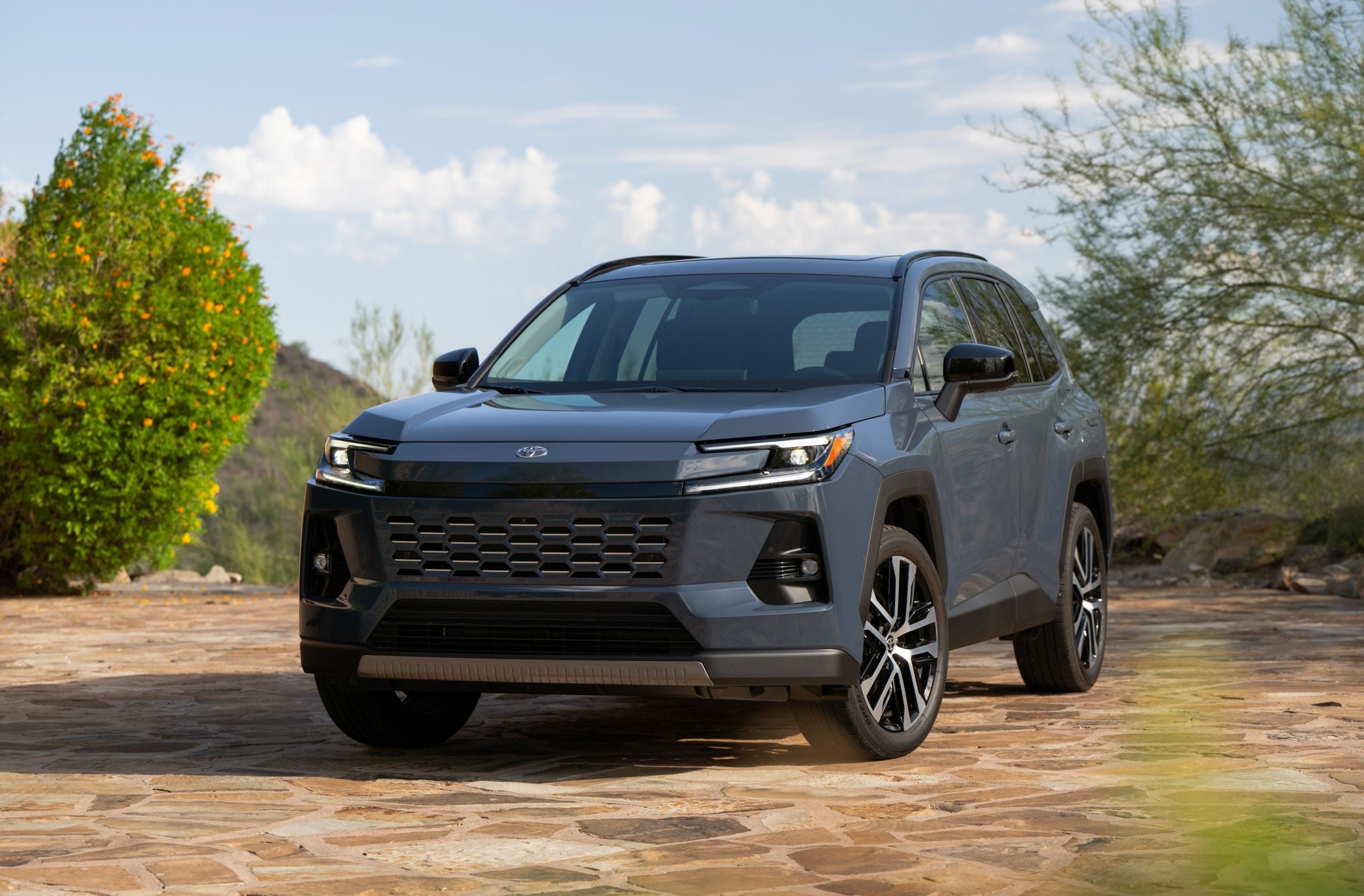
Toyota just threw out the rulebook with the 2026 RAV4. Gone are the gas-only engines. Every single model rolling off the line now runs on hybrid power, bringing better performance and fuel economy to America’s best-selling SUV. The numbers tell an exciting story. You get up to 236 horsepower in AWD models, nearly 50 mpg in some trims, and enough tech to make your smartphone jealous.

  • Every 2026 RAV4 comes standard with hybrid power, delivering between 226 to 236 horsepower depending on drivetrain.
  • The RAV4 Plug-in Hybrid pushes output to 324 horsepower and offers an impressive 50 miles of electric-only range.
  • Six trim levels span from the practical LE to the adventure-ready Woodland and the first-ever performance-tuned GR Sport.

Power That Makes Sense

Every 2026 RAV4 runs exclusively on Toyota’s fifth-generation hybrid system, pairing a 2.5-liter four-cylinder engine with electric motors. Front-wheel drive models put out 226 combined horsepower, while AWD versions bump that up to 236 hp. That’s enough to sprint from zero to 60 mph in about 7.5 seconds, quicker than most competitors in the compact SUV class.

What’s really cool is how Toyota managed to make the hybrid setup feel totally natural. The continuously variable transmission works smoothly with the electric motors, and you won’t notice any weird transitions between gas and electric power. During city driving, the RAV4 leans heavily on electric power, which helps those fuel economy numbers climb.

The Plug-in Hybrid Option

Want more power? RAV4’s Plug-in Hybrid cranks out 324 combined horsepower with its upgraded battery pack and motor setup. That 50-mile electric range means most people can handle their daily commute without burning any gas at all. When you do need to charge up, certain trims like the XSE and Woodland offer DC fast charging, which is unusual for plug-in hybrids but seriously practical.

PHEV buyers now get four trim levels instead of just two. You can get Woodland’s rugged styling, the GR Sport’s performance tuning, or stick with the XSE and SE for a more refined approach. All PHEVs come standard with AWD and a towing capacity of 3,500 pounds.

Interior Space and Tech

Inside, you’ll notice Toyota gave the cabin a serious upgrade. A 12.3-inch digital gauge cluster comes standard across all trims, letting you customize what information shows up right in your line of sight. Higher trims get an available 12.9-inch touchscreen display that actually looks built-in rather than stuck on as an afterthought.

Five adults fit comfortably inside, with enough cargo space to haul 37.8 cubic feet behind the rear seats. Fold those seats down, and you’ve got serious room for camping gear, sports equipment, or whatever else your weekend plans demand. Wireless Apple CarPlay and Android Auto come standard, along with dual Bluetooth connections if you need to pair two phones at once.

Safety Features Worth Talking About

Toyota loaded the 2026 Toyota RAV4 with its latest Safety Sense 4.0 package. This isn’t just checkbox safety tech. It includes updated lane-keeping assist, collision mitigation, and traffic sign recognition that actually works well. Some models add a head-up display that projects speed and navigation directions right onto the windshield.

If you’re looking at the Woodland trim, you’ll get a Multi-Terrain Monitor so you can see what’s underneath your vehicle when you’re tackling trails. It’s one of those features that sounds gimmicky until you actually need it on a rocky path or while parking in tight spots.

Different Styles for Different Drivers

Toyota organized the RAV4 lineup into three distinct categories. Core models (LE, SE, XLE Premium) handle everyday driving with clean styling and practical features. If you want the Rugged lineup, mainly the Woodland, you’ll get raised ground clearance, all-terrain tires, and integrated Rigid Industries LED fog lights for serious off-road capability.

Here’s something new: the GR Sport trim represents Toyota’s first serious attempt at making a performance-focused RAV4. It gets suspension tuning from Toyota Gazoo Racing, sport-tuned shocks and springs, and unique styling elements. The Toyota RAV4 Specifications across all these trims share that hybrid foundation, but each brings its own character to the table.

Real-World Driving Numbers

Toyota estimates you’ll see up to 47 mpg city and 40 mpg highway in certain RAV4 Hybrid configurations. That’s a massive jump from the outgoing gas-only models. The plug-in hybrid offers similar efficiency once the battery drains, but with that 50-mile electric range, many drivers will rarely need to calculate fuel economy at all.

Looking at the engineering side, Toyota’s TNGA-K architecture gets added structural rigidity at the frame joints and suspension mounting points. Translation? Better handling, a smoother ride, and less road noise filtering into the cabin. Toyota also used high-damping adhesive in key areas to further reduce vibrations and improve overall refinement.

See It In Person at Toyota of Muncie

Reading specs only tells part of the story. You need to feel how the 2026 RAV4’s hybrid powertrain actually drives. That instant electric torque off the line, the quiet cabin at cruising speed, and how the different drive modes change the vehicle’s personality. Toyota of Muncie at 3311 N Nebo Rd has knowledgeable staff who can walk you through the differences between trims and help you figure out which RAV4 fits your lifestyle. They can explain how the hybrid system works in real-world conditions, show you the cargo flexibility, and let you compare the adventurous Woodland against the sportier GR model. Schedule a test drive and see firsthand why this completely redesigned RAV4 is generating so much buzz.

Quick Reference Trim Comparison

Trim Level Starting Price Drivetrain Horsepower MPG (Combined) Screen Size Ground Clearance
LE Hybrid $33,350 FWD (AWD +$1,400) 226 hp (FWD) 236 hp (AWD) 44 mpg (FWD) 42+ mpg (AWD) 10.5″ 8.1″
SE Hybrid $36,150 FWD or AWD 226 hp (FWD) 236 hp (AWD) ~42 mpg 10.5″ 8.1″
XLE Premium $37,550 FWD or AWD 226 hp (FWD) 236 hp (AWD) ~42 mpg 10.5″ 8.1″
Woodland Hybrid $41,350 AWD only 236 hp 42 mpg 10.5″ or 12.9″ 8.5″
XSE Hybrid $42,750 AWD only 236 hp ~40 mpg 12.9″ 8.1″
Limited Hybrid $44,750 AWD only 236 hp ~40 mpg 12.9″ 8.1″
SE Plug-in TBA AWD only 324 hp 41 mpg + 50-mile EV range 10.5″ 8.1″
XSE Plug-in TBA AWD only 324 hp 41 mpg + 50-mile EV range 12.9″ 8.1″
Woodland Plug-in TBA AWD only 324 hp 38 mpg + 50-mile EV range 10.5″ or 12.9″ 8.5″
GR Sport Plug-in ~$51,000 (est.) AWD only 324 hp 37 mpg + 50-mile EV range 12.9″ 8.1″
Note: Plug-in hybrid models (shaded rows) offer DC fast charging on XSE and Woodland trims only. All RAV4s include 12.3″ digital gauge cluster and Toyota Safety Sense 4.0. Towing capacity is 1,750 lbs for FWD and base AWD LE, 3,500 lbs for other AWD models.

Toyota just dropped its sixth-generation RAV4, and this time around, things got interesting. Seven different versions make up the 2026 lineup, each with its own personality and purpose. Shopping for America’s best-selling compact SUV means figuring out which version actually fits your life before you sign on the dotted line.

  • Seven trim options span three design categories, giving buyers choices from budget-friendly to performance-tuned models.
  • Every single RAV4 now runs on hybrid power, with front-wheel drive joining the lineup on select models starting at $33,350.
  • Plug-in hybrid versions deliver 324 horsepower and can travel roughly 50 miles on electricity alone before the gas engine kicks in.

Three Different 2026 Toyota RAV4 Trim Levels

Walk around a Toyota lot this year and you’ll notice the RAV4 doesn’t look the same across all models anymore. The brand split the lineup into three distinct styles. Core models include the LE, XLE Premium, and Limited. These keep things clean with color-matched grilles and a sleek front end borrowed from the Crown Signia. They’re daily drivers built for grocery runs and highway commutes.

Sport versions cover the SE, XSE, and the brand-new GR Sport. Glossy black trim, bigger wheels, and a more aggressive stance set these apart. The XSE adds blue stitching and lets you option two-tone paint that blacks out the roof. Pick one of these if you want your neighbors to notice.

Then there’s the Woodland, standing alone in the rugged category. This one borrows its split grille from the 4Runner playbook. Ride height goes up to 8.5 inches instead of the standard 8.1, and chunky all-terrain tires replace the street rubber. Orange accents pop up inside. This trim targets people who actually take their SUVs off the pavement instead of just thinking about it.

Hybrid Power Becomes the Only Choice

Big change for 2026: Toyota killed the gas-only engine. Every RAV4 leaving the factory runs on hybrid power now. Front-wheel drive models produce 226 horsepower, while all-wheel drive bumps that to 236. That’s roughly 20 more ponies than last year’s entry model, plus you’ll spend less at the pump. Fuel economy estimates hover around 44 mpg combined.

Plug-in hybrid models crank things up to 324 horsepower and include all-wheel drive as standard equipment. Four 2026 RAV4 trim levels offer this powertrain: SE, XSE, Woodland, and GR Sport. The battery pack grew to 22.7 kWh, giving you about 50 miles of pure electric range compared to 42 miles in the previous generation.

Fast charging shows up on the XSE and Woodland PHEV through a CCS port. Strange decision here: the SE and GR Sport plug-ins use a different charging port and can’t fast charge at all. No clear reason why Toyota made that call, but buyers who want quick charging will need to pick their trim carefully.

Entry and Mid-Range Options

Front-wheel drive LE models start at $33,350 and include cloth seats, a 10.5-inch touchscreen, and a 12.3-inch digital gauge cluster. The equipment list covers what you need without getting fancy. Tack on $1,400 for all-wheel drive if you want better traction.

XLE Premium slots in at $37,550 with dual-zone climate control, power seats, and options for heated surfaces on both the seats and steering wheel. Most buyers end up here because the price stays reasonable while the comfort level jumps noticeably.

Limited sits at the top of the Core lineup with a $44,750 price tag and AWD included. You get the larger 12.9-inch touchscreen, synthetic leather seats with heating and cooling, a digital rearview mirror, and two wireless charging pads. This one’s for buyers who want every convenience feature Toyota offers.

Performance-Focused Variants

Starting at $36,150, the SE brings a sportier suspension tune, 19-inch wheels, and glossy black exterior trim. Both hybrid and plug-in hybrid powertrains are available here.

XSE models cost $42,750 and step up with synthetic suede and leather seats, the bigger touchscreen, and a nine-speaker JBL sound system. That optional two-tone paint scheme shows up again on this trim.

GR Sport arrives as a new addition and only comes with the plug-in hybrid system. GAZOO Racing tuned the suspension for tighter handling and a more connected road feel. Ground clearance drops to 7.5 inches because this version prioritizes cornering over rock crawling.

The Off-Road Contender

Woodland pricing lands at $41,350, putting it right in the middle of the range. TRD suspension tuning, 18-inch wheels with beefier tires, roof rails with crossbars, and that extra half-inch of ground clearance come standard. Orange accents and special floor mats dress up the interior.

Hybrid power comes standard, but the plug-in system is available if you want the extra muscle. All-wheel drive is required on this trim no matter which powertrain you choose.

Technology Gets an Overhaul

Toyota’s new Audio Multimedia system shows up across the entire lineup with wireless Apple CarPlay and Android Auto. Entry-level LE models get a 10.5-inch screen, while spending more money nets you the much larger 12.9-inch display.

Safety Sense 4.0 comes standard on every RAV4. Updated automatic emergency braking, lane-keeping assist, and adaptive cruise control are included. Higher-end versions add a head-up display and blind spot monitoring with rear cross-traffic alert.

The Arene software platform enables over-the-air updates. Your RAV4 can receive new features and improvements remotely instead of requiring a service appointment.

2026 RAV4 Trim Levels: Picking the Right One for Your Needs

Budget shoppers should look at the LE hybrid with front-wheel drive. It covers daily driving needs without the extra cost. Families will likely prefer the XLE Premium because the added comfort features justify the price bump.

Looking for something with more attitude? The XSE offers upscale materials and performance styling that reviewers consistently praised. Multiple automotive journalists picked this as their favorite after testing the whole lineup.

Woodland fits drivers who regularly encounter dirt roads, snowy mountain passes, or just prefer the rugged aesthetic. The GR Sport targets enthusiasts who care about handling dynamics and want the strongest powertrain available.

Toyota built seven versions of the 2026 RAV4 to cover different priorities. You can find a trim for commuting, weekend adventures, spirited driving, or anything in between. Going hybrid-only might disappoint some traditional buyers, but the improved fuel economy and extra power make a strong case for the change.

Toyota’s Highest Honor Symbolizes Dedication to Customer Satisfaction

Earning the President’s Award is an honor, but earning it 15 times is a significant achievement that shows just how dedicated the team at Toyota of Muncie is to their customers.

Recognizing Toyota’s Best Dealerships

Customers always come first at Toyota of Muncie, and this dedication to superior customer service has once again earned us Toyota Motor Sales top honor. The President’s Award celebrates Toyota dealerships that go above and beyond in every area of their business, from sales to customer satisfaction and service.

The award recognizes dealerships that excel in sales satisfaction, service satisfaction, market leadership, vehicle delivery excellence, and employee training and certification.

A Continued Commitment to Excellence

We are proud to be a 2024 recipient of the Toyota President’s Award, but we are not stopping here. We’ll continue to provide superior service to each and every customer that calls or walks through our doors. Our goal is to create long-lasting relationships with our customers, so they know they always have a Toyota dealership they can count on and trust.

If you’re looking to upgrade your current vehicle, need a reliable and trustworthy service center to take care of you and your vehicle, or have questions about whether you should lease or buy your next vehicle, Toyota of Muncie is here to help.

Frequently Asked Questions about the President’s Award

What is Toyota’s President’s Award?

The President’s Award is given by Toyota Motor Sales, USA, to their top dealerships. It’s the highest honor available to any Toyota dealer.

What is the President’s Award for Car Dealerships?

The President’s Award for car dealerships is a badge of honor given to top-performing dealerships.

What Does the President’s Award Signify for a Dealership?

Winning the Toyota President’s Award shows every customer who walks through the door that they are working with the best people in the industry.

What is the most awarded Toyota dealership in Indiana?

Toyota of Muncie is one of the few Indiana dealerships to win the President’s Award multiple times.

How many times has Toyota of Muncie won the Toyota President’s Award?

Toyota of Muncie first opened our doors in 2007, and in 18 years of business, we have earned the President’s Award 15 times.

Come to Toyota of Muncie to Work with the Best

When you’re looking for a new or used vehicle, why choose any other Indiana Toyota dealership than the one that has proven to be the best? Whether you’re looking for something new or need an affordable and reliable used Toyota, we’re the dealership you can turn to.

It’s easy to see why we’ve earned the Toyota President’s Award as soon as you walk through the doors, and it’s not just because we have our beautiful trophies. It’s because we will provide customer service that goes above and beyond your expectations from start to finish.

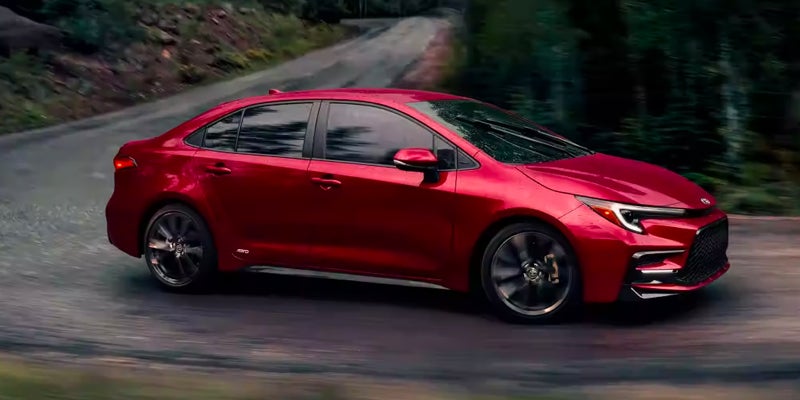
The 2024 Toyota Corolla is a standout among small sedans for its comfort, technology, and dependability. If you’re considering making it your next vehicle, take a look at its four impressive trim levels to find out which one has the style and features that are perfect for you.

1. LE

With standard features like four USB-C ports, a 60/40 split fold-down rear seat, and LED headlights, taillights, and Daytime Running Lights, the LE is an impressive entry-level trim. Under the hood, its 2.0-liter 4-cylinder engine produces 169 horsepower and achieves an EPA-estimated 41 MPG on the highway. Drivers can even select Eco driving mode for improved efficiency or Normal driving mode for balanced performance.

The LE’s automatic climate control keeps the cabin at your selected temperature, and a dust and pollen filter keeps allergens out. With wireless Apple CarPlay and Android Auto, you can link your compatible smartphone to the 8-inch Toyota Audio Multimedia touchscreen, which also controls your 6-speaker audio system and vehicle settings. To protect you and your passengers, ten airbags and Toyota Safety Sense 3.0’s seven advanced driver assistance features are standard on the LE.

2. SE

For sporty performance and style, choose the SE with a gloss-black front grille, 18-inch graphite-colored alloy wheels, and a dual-tip exhaust. This model also has a multi-link rear suspension for improved handling and sport seats with sport fabric inserts, which provide extra support through curves and corners. Its added Sport driving mode provides a quicker throttle response, and its Smart Key System helps you get on the road faster by detecting your key when it’s in your pocket or purse.

3. Nightshade

The Nightshade comes with the SE’s sporty features, but adds exclusive styling, like blackout badging, black outside mirrors, and a black-painted rear spoiler. Its look is completed with eye-catching 18-inch bronze-finished alloy wheels.

4. XSE

If you’re looking for premium comfort and tech features, the XSE is your trim. Inside, it has heated, SofTex-trimmed front seats, a power moonroof, and a 7-inch fully digital gauge cluster. Its paddle shifters provide quick gear changes, and its Qi-compatible wireless smartphone charging keeps your devices charged without cords. The XSE also comes with a Blind Spot Monitor and Rear Cross-Traffic Alert, which can warn you when there are vehicles nearby that may be hard to see.

For personalized guidance in selecting the Corolla trim that’s perfect for you, call or visit our showroom at Toyota of Muncie in Muncie, IN