



The 2026 Toyota C-HR Returns as an Electric Powerhouse
Toyota’s bringing back the C-HR, and this time it’s ditched the gas engine for pure electric performance. The 2026 model trades its predecessor’s sluggish acceleration for a dual-motor setup that’ll hit 60 mph in about 5 seconds. With 338 horsepower, standard all-wheel drive, and a claimed 290-mile range, this subcompact crossover looks ready to shake up the electric SUV market.
- The electric C-HR packs 338 horsepower from dual motors and sprints to 60 mph in roughly five seconds, a massive improvement over the previous gas model that took over 11 seconds.
- Toyota estimates 290 miles of range from the 74.7-kWh battery, with DC fast charging capability that can go from 10% to 80% in about 30 minutes.
- Standard features include a 14-inch touchscreen, heated seats, Toyota Safety Sense 3.0, and wireless Apple CarPlay and Android Auto integration.
Quick Feature Breakdown
| Feature Category | Details |
|---|---|
| Powertrain | Dual electric motors (front and rear), 338 hp combined, AWD standard |
| Battery & Range | 74.7-kWh battery, 290-mile estimated range, NACS charging port |
| Performance | 0-60 mph in ~5 seconds, four levels of regenerative braking |
| Charging | 10-80% in 30 minutes (DC fast), 11-kW AC charging, Plug & Charge |
| Interior Tech | 14-inch touchscreen, digital instrument cluster, dual wireless chargers |
| Audio Options | 6-speaker standard, optional 9-speaker JBL premium system |
| Safety | Toyota Safety Sense 3.0, adaptive cruise, lane centering, blind spot monitor |
| Cargo Space | Up to 25.4 cubic feet behind rear seats |
| Trim Levels | SE and XSE |
| Wheel Options | 18-inch or available 20-inch wheels |
Electric Performance That Actually Delivers
Remember the original C-HR? If you drove one, you probably remember waiting forever for it to accelerate. The 2026 version fixes that problem in a big way. Toyota installed two electric motors (one up front, one in back) that work together to deliver 338 horsepower. That’s enough juice to rocket this compact crossover from a standstill to 60 mph in about five seconds.
The setup gives you all-wheel drive as standard equipment, which makes sense for anyone dealing with rain, snow, or less-than-perfect road conditions. You’re not getting a stripped-down economy EV here. The dual-motor configuration means better traction and more confident handling than the front-wheel-drive original ever managed.
Four levels of regenerative braking let you dial in how much the motors slow the car when you lift off the accelerator. Some drivers love aggressive regen that feels like one-pedal driving, while others prefer a more traditional coasting feel. You can pick what works for you.
Range and Charging Without the Anxiety
Toyota claims the C-HR will travel up to 290 miles on a full charge. That’s competitive with other electric crossovers in this size class and should handle most people’s weekly driving without needing to plug in every night. The battery preconditioning function warms things up before you charge, which speeds up the process when you’re using a fast charger.
Speaking of charging, the 2026 Toyota C-HR comes with an NACS port (the Tesla-style connector), giving you access to thousands of Supercharger stations across the country. Under perfect conditions, you can charge from 10% to 80% in roughly 30 minutes using a DC fast charger. For home charging, the 11-kW onboard charger handles Level 2 AC charging.
The Plug & Charge feature eliminates the hassle of juggling different apps and membership cards. When you pull up to a compatible station, the car and charger exchange information automatically. Just plug in and walk away. No swiping cards or opening apps to start the session.
Tech Features That Make Sense
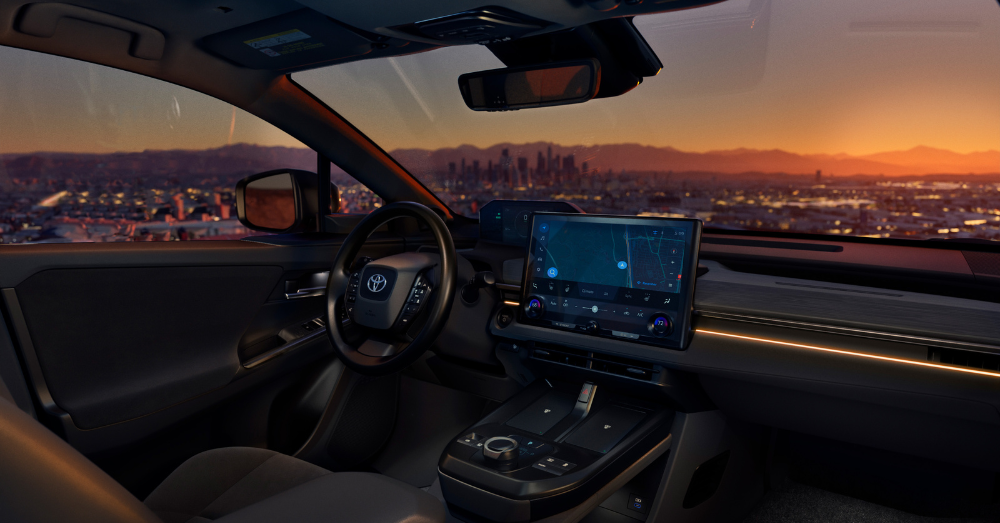
Step inside and you’ll find a 14-inch touchscreen running Toyota’s Audio Multimedia system. It’s big enough to see clearly without being distracting, and it comes with built-in wireless Apple CarPlay and Android Auto. The digital instrument cluster sits recessed behind the steering wheel, giving you speed, battery info, and other details at a glance.
Dual wireless charging pads mean you and your passenger can both keep phones topped up without fighting over a single charging spot. The standard six-speaker audio system handles everyday listening just fine, but Toyota offers an upgrade to a nine-speaker JBL premium system with an 800-watt amplifier and subwoofer if you want concert-quality sound.
The connected services package includes remote climate control through your smartphone, so you can warm up or cool down the cabin before you get in. You can also check charging status, lock or unlock doors, and monitor the vehicle’s health through the app. The first three years of Remote Connect come included with the car.
Safety Systems Built In
Toyota Safety Sense 3.0 comes standard, packing a full suite of driver assistance features. You get adaptive cruise control that maintains your set speed and adjusts based on traffic ahead, lane centering assistance that helps keep you between the lines, and automatic emergency braking that can detect pedestrians and other vehicles.
Blind spot monitoring watches your sides, while rear cross-traffic alert warns you about approaching cars when you’re backing out. The Proactive Driving Assist system adds subtle steering and braking inputs to help you avoid potential hazards, though you can turn it off if you find it annoying.
The XSE trim adds Traffic Jam Assist, which combines adaptive cruise and lane centering to reduce driver fatigue when you’re stuck in bumper-to-bumper traffic. Safety Connect and Service Connect subscriptions (five years included) provide 24-hour emergency assistance, automatic crash notification, and stolen vehicle tracking.
Style That Stands Out
Toyota’s new Hammerhead design language looks sharp on the C-HR. The front end features split LED accent lights and an angular face that gives the crossover a modern, sporty appearance. Around back, a full-width light bar wraps around the corners and ties the whole look together.
The coupe-like roofline gives the C-HR a sportier profile than your typical boxy crossover. Available 20-inch wheels plant the vehicle firmly on the road and add to the athletic stance. Low-profile roof rails and rain-sensing wipers come standard, along with a power liftgate for easy cargo access.
Inside, heated front seats and a heated steering wheel make cold mornings more bearable. The eight-way power-adjustable driver’s seat helps you find the right position, while customizable ambient lighting lets you set the mood. Toyota says the interior has more space than the original C-HR, with about five inches more length and two inches more width, translating to a roomier cabin.
When Can You Get One?
Toyota expects the C-HR to arrive at dealerships sometime in 2026. Pricing hasn’t been announced yet, but based on the vehicle’s size and features, expect it to compete with models like the Chevrolet Equinox EV, Hyundai Kona Electric, and Volvo EX30. The C-HR will be offered in SE and XSE trim levels, with both getting the same dual-motor powertrain and standard all-wheel drive.
Experience the Electric Future at Toyota of Muncie
When the 2026 C-HR arrives, we’ll have it ready for you to explore at Toyota of Muncie. Stop by our showroom at 3311 N. Nebo Rd. to see Toyota’s latest electric offerings and learn how they fit your driving needs. Our sales team can walk you through the charging process, explain the connected services, and answer your questions about making the switch to electric. We’ll help you understand the real-world range, show you how the regenerative braking works, and let you compare the C-HR to other models in our lineup. Schedule a test drive when the C-HR arrives to feel that 338-horsepower acceleration for yourself. We’re here to make your transition to electric driving as smooth as possible, with transparent pricing and financing options designed around your budget.
Connect with us


- July 2026
- June 2026
- May 2026
- April 2026
- March 2026
- February 2026
- January 2026
- December 2025
- November 2025
- December 2024
- November 2024
- October 2024
- September 2024
- August 2024
- July 2024
- June 2024
- May 2024
- April 2024
- March 2024
- February 2024
- January 2024
- December 2023
- November 2023
- October 2023
- September 2023
- August 2023
- July 2023
- June 2023
- May 2023
- April 2023
- March 2023
- February 2023
- January 2023
- December 2022
- November 2022
- October 2022
- September 2022
- August 2022
- July 2022
- June 2022
- May 2022
- April 2022
- March 2022
- February 2022
- January 2022
- December 2021